
Discover the Joy of Microgardening for Small Spaces

Finding space for a garden can be a challenge, especially if you live in an apartment or have a small yard. Microgardening offers a simple, rewarding way to grow plants even in the tiniest areas. This approach lets you enjoy fresh herbs, vegetables, and flowers without needing a large garden plot. If you want to bring greenery into your life but feel limited by space, microgardening is a perfect solution.

What Is Microgardening?
Microgardening means growing plants in small, controlled spaces using containers, vertical setups, or compact beds. It focuses on maximizing limited space by using creative methods like:
Container gardening with pots, buckets, or recycled containers
Vertical gardening using wall-mounted planters or trellises
Window boxes for flowers or edible plants
Hydroponic or soil-less systems for indoor gardening
This style suits balconies, patios, windowsills, and even kitchen counters. It’s ideal for people who want to grow food or beautify their homes but don’t have a traditional garden.

How to Start Your Microgarden
Starting a microgarden is easier than you might think. Follow these steps to create a thriving small-space garden:
1. Choose the Right Location
Look for a spot that gets enough sunlight. Most edible plants need 4 to 6 hours of direct sunlight daily. South-facing windows, balconies, or patios work well. If natural light is limited, consider using grow lights.
2. Select Suitable Containers
Pick containers that fit your space and plants. Options include:
Small pots for herbs like basil, mint, or parsley
Shallow trays for leafy greens like lettuce or spinach
Vertical planters for climbing plants such as peas, beans, or cucumbers
Make sure containers have drainage holes to prevent waterlogging.
3. Pick Easy-to-Grow Plants
Start with plants that thrive in small spaces and are beginner-friendly. Some good choices are:
Herbs: basil, chives, cilantro
Leafy greens: lettuce, arugula, kale
Small vegetables: cherry tomatoes, radishes, peppers
Flowers: marigolds, pansies, nasturtiums
These plants grow quickly and don’t require much room.
4. Use Quality Soil and Fertilizer
Use potting soil designed for containers. It holds moisture well and provides nutrients. Add organic fertilizer or compost to keep plants healthy. Avoid garden soil, which can be too dense for containers.
5. Water Wisely
Container plants dry out faster than garden beds. Check soil moisture daily and water when the top inch feels dry. Avoid overwatering, which can cause root rot.
Tips to Maximize Your Microgarden
Microgardening is about making the most of limited space. Here are some tips to boost your garden’s success:
Use vertical space by hanging planters or installing shelves
Group plants with similar water and light needs together
Rotate crops regularly to keep soil healthy
Harvest frequently to encourage new growth
Incorporate companion planting to deter pests naturally
These strategies help you grow more plants in less space while keeping them healthy.

Benefits of Microgardening
Microgardening offers many advantages beyond just fitting plants into small spaces:
Fresh produce at your fingertips: Enjoy homegrown herbs and veggies anytime
Improved air quality: Plants help filter indoor air and add oxygen
Stress relief: Gardening reduces stress and boosts mood
Saves money: Growing your own food cuts grocery bills
Sustainable living: Reduces food miles and packaging waste
Even a few pots can make a big difference in your lifestyle and environment.
Common Challenges and How to Overcome Them
Small-space gardening has some challenges, but they are manageable:
Limited sunlight: Use grow lights or choose shade-tolerant plants
Pests: Use natural remedies like neem oil or introduce beneficial insects
Space constraints: Use vertical gardening and compact plant varieties
Watering issues: Set reminders and use self-watering containers
By planning ahead and adapting, you can keep your microgarden thriving.
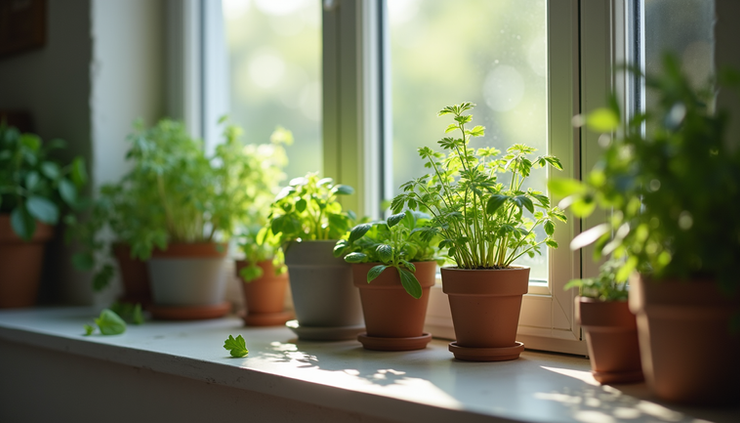
Microgardening transforms small spaces into green, productive areas. It invites you to connect with nature, enjoy fresh food, and create a calming environment. Whether you have a tiny balcony or just a sunny windowsill, this approach makes gardening accessible and enjoyable.
“While the earth remaineth, seedtime and harvest... shall not cease.” — Genesis 8:22
⛰ Go Deeper
This reflection is part of a larger Bible-based study on faith and transformation.
👉 Read more at OnlineBibleCourse.com


Comments