
Why Do Our Hands Wrinkle When Exposed to Water

Have you ever noticed how your fingers and palms start to wrinkle after spending time in water? This common experience often sparks curiosity. Why does this happen? Is it just the skin absorbing water, or is there more to the story? Understanding why our hands wrinkle in water reveals fascinating insights about the human body and its interaction with the environment.
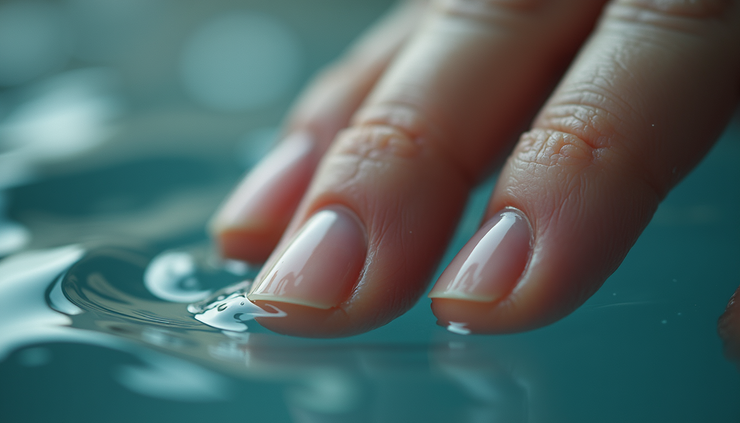
The Common Misunderstanding About Wrinkled Skin
Many people assume that skin wrinkles in water simply because it soaks up moisture and swells unevenly. While it’s true that skin absorbs some water, this explanation doesn’t fully capture the process. The outer layer of our skin, called the stratum corneum, is made of dead skin cells and lipids that act as a barrier to water. This layer actually resists water absorption to a certain extent.
If water absorption was the only cause, then all skin would wrinkle equally and randomly. Instead, wrinkles appear mostly on the fingers and toes, and they form in a pattern that suggests a biological purpose.
The Role of the Nervous System
Research shows that wrinkling is controlled by the autonomic nervous system, which regulates involuntary body functions like heart rate and sweating. When your hands are submerged in water for several minutes, nerves trigger the blood vessels beneath the skin to constrict. This reduces the volume of the underlying tissue, causing the skin to pucker and form wrinkles.
This process is similar to how your skin reacts to cold temperatures or stress. The wrinkles are not just a passive reaction but an active response controlled by your body.
Why Does This Wrinkling Happen?
Scientists believe that wrinkling improves grip in wet conditions. The pattern of wrinkles acts like tire treads on a wet road, channeling water away and increasing friction. This helps you hold onto slippery objects more securely.
For example, imagine trying to pick up a wet glass or handle wet tools. The wrinkles on your fingers provide better traction, making it easier to grip and manipulate objects underwater or in damp environments.

How Long Does It Take for Wrinkles to Appear?
Wrinkles usually start to form after about 5 minutes of water exposure. The longer your hands stay wet, the more pronounced the wrinkles become. However, the effect is temporary. Once your hands dry and blood flow returns to normal, the skin smooths out again within 10 to 30 minutes.
People with nerve damage or certain medical conditions may not experience wrinkling. This has led doctors to use water-induced wrinkling as a simple test for nerve function in the fingers.
Practical Examples and Everyday Impact
Wrinkled fingers can be a useful adaptation in daily life. For instance:
Fishermen and divers often spend long periods in water and rely on their wrinkled fingers to handle slippery fish or equipment.
Chefs and bakers who wash their hands frequently may notice wrinkling helps them grip utensils better.
Children playing in water naturally develop these wrinkles, which might help them hold toys or swim more effectively.
Understanding this natural response can also help you care for your skin. Prolonged exposure to water and frequent wrinkling might dry out your skin, so moisturizing after washing hands is important to maintain skin health.

What Science Still Wants to Learn
While the grip theory is widely accepted, scientists continue to explore other possible reasons for wrinkling. Some studies suggest it might also help with temperature regulation or protect the skin from damage during prolonged water exposure.
Researchers are also investigating how this response evolved in humans and other primates. Understanding these details could provide clues about how our ancestors adapted to their environments.
Wrinkling of the skin on our hands when exposed to water is more than just a curious quirk. It is a controlled, purposeful reaction that helps improve grip in wet conditions. This natural adaptation highlights how our bodies are designed to interact with the world around us in smart and efficient ways. Next time you notice your fingers turning wrinkly after a bath or swim, remember it’s your body’s way of helping you hold on better. If you want to protect your skin, consider moisturizing after water exposure to keep it healthy and resilient.
"O LORD, how manifold are thy works! in wisdom hast thou made them all: the earth is full of thy riches." (KJV) Psalm 104:24
⛰ Go Deeper
This reflection is part of a larger Bible-based study on faith and transformation.
👉 Read more at OnlineBibleCourse.com


Comments