
Essential Tips for Maintaining Optimal Foot Health Every Day
- White Stone

- Jan 13
- 8 min read
Updated: Jan 18
Feet carry us through every step of life, yet they often receive less care than other parts of the body. Ignoring foot health can lead to painful conditions like plantar fasciitis, bunions, and athlete's foot, which affect mobility and quality of life. Taking simple daily steps to care for your feet can prevent these issues and keep you moving comfortably.

Understand Common Foot Problems
Knowing the common foot problems helps you recognize early signs and take action. Here are three frequent issues:
Plantar fasciitis causes sharp heel pain due to inflammation of the tissue connecting the heel to the toes. It often worsens after rest or in the morning.
Bunions appear as bony bumps at the base of the big toe, caused by pressure and misalignment. They can make walking painful and affect shoe fit.
Athlete's foot is a fungal infection that causes itching, redness, and peeling skin, especially between the toes.
Bone Spurs are smooth, extra bone growths from pressure/friction, often from arthritis or foot mechanics, common on top of the foot or heel.
Toenails also require attention. Thickened, discolored, or ingrown toenails can lead to discomfort and infections if untreated.
Choose the Right Footwear
Shoes play a crucial role in foot health. Wearing the wrong shoes can worsen or cause problems like bunions and plantar fasciitis.
Select shoes with good arch support and cushioning to reduce strain on the plantar fascia.
Avoid tight or narrow shoes that squeeze toes and contribute to bunions.
Opt for breathable materials to prevent moisture buildup, reducing the risk of athlete's foot.
Replace worn-out shoes regularly, as old shoes lose support and cushioning.
You should not wear oversized shoes because they cause instability, leading to injuries like blisters, corns, ingrown toenails, and an increased risk of tripping or falling. Properly fitting shoes provide necessary support, while oversized shoes allow your feet to slide around, causing friction and improper gait that can lead to chronic foot and joint pain.
Custom orthotics or insoles can provide extra support if you have specific foot issues.

Practice Daily Foot Hygiene
Keeping feet clean and dry prevents infections and skin problems.
Wash feet daily with mild soap and warm water.
Dry thoroughly, especially between the toes, to avoid fungal growth.
Moisturize the soles and heels to prevent cracking, but avoid applying lotion between toes.
Trim toenails straight across to prevent ingrown toenails and keep them at a moderate length. NOTE: Cut the nail straight across first, then gently smooth or slightly soften the sharp corners with a nail file. Do not dig into the sides or cut the nail into a curved shape. This keeps the nail edge from pressing into the skin while still allowing the nail to act as a protective barrier.
Consider keeping a simple home pedicure kit on hand
Having your own pedicure kit makes routine foot care easier and more effective. A basic set with nail clippers, a nail file, a pumice stone or foot file, cuticle tools, and a gentle foot brush helps you maintain clean, healthy feet without needing a salon visit. Regular at-home care also allows you to catch small issues—like calluses, nail changes, or irritation—before they become bigger problems.

DIY Home Pedicure Kit Checklist
Keeping these items on hand makes routine foot care easier and helps you maintain smooth, healthy feet all year long:
Basic Tools
Nail clippers (for toenails)
Nail file or emery board
Cuticle pusher and cuticle trimmer
Small scissors (optional)
Tweezers
Skin-Care Essentials
Pumice stone or foot file (for calluses and rough spots)
Foot brush for gentle scrubbing
Mild foot soap or natural cleanser
Moisturizing foot cream or balm
Epsom salt (great for warm foot soaks)
Comfort & Hygiene Items
Wearing clean socks made of natural fibers like cotton or wool helps absorb sweat and keeps feet dry.
Disposable towels or washcloths for drying
Antifungal foot powder or spray (optional but helpful)
Rubbing alcohol or sanitizer to clean tools
Handling Tough Toenails
Some toenails, especially in men, can become very thick and tough over time. For nails that are hard to trim with regular clippers, a Dremel or rotary nail tool can be a safe and effective option.
A few tips for using it at home:
Soak first: Warm water for 10–15 minutes softens the nail and makes trimming easier.
Use the right bit: Fine grit or diamond nail bits give smoother results and reduce heat buildup.
Keep it moving: Avoid holding the tool in one spot to prevent discomfort or nail damage.
Protect your eyes: Toenail chips can fly, so safety first!
Check for fungus: Thick, yellow, or crumbly nails may benefit from antifungal treatment or professional care.
Using a Dremel tool safely can make at-home pedicures manageable, help maintain nail health, and prevent painful ingrown nails.

Incorporate Foot Exercises and Stretching
Regular foot exercises improve strength and flexibility, reducing the risk of plantar fasciitis and other foot problems.
Stretch your calves and the bottom of your feet daily. For example, use a towel to pull your toes toward you while keeping your leg straight.
Practice toe curls by picking up small objects with your toes.
Roll a tennis ball or frozen water bottle under your foot to massage and relieve tension.
Walk barefoot on soft surfaces like grass to strengthen foot muscles naturally (be cautious of potential risks like cuts from hidden objects, infections from bacteria or fungi, and insect bites).
These exercises improve circulation and help maintain healthy foot structure.

Monitor Foot Health Regularly
Pay attention to any changes in your feet. Early detection of problems leads to better outcomes.
Check for redness, swelling, or unusual bumps like bunions.
Look for signs of athlete's foot such as itching or peeling skin.
Notice any persistent pain, especially in the heel or arch.
Inspect toenails for thickening, discoloration, or ingrown edges.
If you experience ongoing pain or notice infections, consult a healthcare professional or podiatrist for diagnosis and treatment.
Don’t Overlook Toenail Health
I repeat: Toenails are a key part of foot health and can signal early signs of infection, nutritional deficiencies, or underlying medical issues. Cracked, brittle nails may result from dryness, repeated trauma from tight shoes, or vitamin deficiencies, while thickened or discolored nails can indicate fungal infections. If left untreated, these infections can spread and become painful, making it hard to walk comfortably.
To keep nails healthy, trim them straight across, avoid tearing or rounding the corners, and keep them clean and dry. Moisturize the nail and cuticle area regularly to prevent cracking, but avoid over-trimming the cuticles since they act as a natural barrier against infection. If you notice persistent discoloration, thickening, foul odor, or separation of the nail from the nail bed, seek professional care—early treatment prevents long-term damage and supports overall foot health.
Paraffin Wax Treatments for Feet
Paraffin wax is a warm, soft wax often used in professional pedicures and home treatments to deeply moisturize and soothe feet. It’s especially beneficial for dry, cracked heels or rough skin. The warm wax helps increase circulation while locking in moisture, leaving your feet feeling soft and rejuvenated.
How to use at home:
Clean and dry your feet thoroughly before applying wax.
Melt the paraffin wax in a dedicated paraffin bath or following a safe home kit’s instructions.
Dip your feet into the warm wax, allowing a coating to form. Repeat 2–3 times for a thicker layer.
Cover your feet with plastic wrap or a foot mitt to retain heat.
Leave on for 10–15 minutes, then gently peel off the wax.
Moisturize afterward to seal in hydration.
Benefits:
Deeply hydrates and softens skin
Soothes sore muscles and stiff joints
Promotes relaxation and self-care
Can enhance the results of daily foot hygiene routines
Paraffin treatments are safe for most people, but avoid them if you have open wounds, infections, or circulatory problems without consulting a healthcare professional.

How to Use Epsom Salt as a Foot Scrub
A foot scrub in a jar is a DIY or store-bought blend of exfoliants (like sugar, epsom salt or sea salt) and moisturizers (like coconut oil, sweet almond oil, castor oil, olive oil) with essential oils , designed to smooth rough skin, remove dead cells, and refresh tired feet, often coming in scents like peppermint, eucalyptus, rosemary, lemon or citrus and stored in a sealed glass container for home spa treatments. These scrubs work best after soaking feet and are followed by moisturizing to reveal softer, revitalized skin, preventing cracks and calluses. .
How Often to Use
Use an Epsom salt foot scrub 1–2 times per week. Over-exfoliating can lead to dryness or cracking.
PrecautionsIf you have diabetes, neuropathy, open wounds, or active infections, consult a healthcare professional before using foot scrubs.
Another helpful tool to consider for foot care and overall wellness is the Sadhu board.
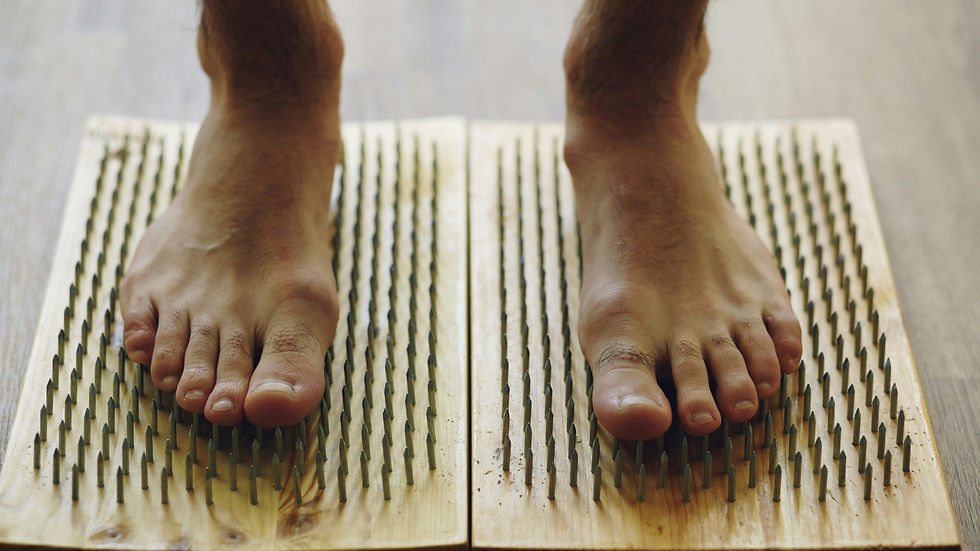
A Sadhu board is a wooden board with a pattern of nails used for yoga, meditation, and acupressure. Standing on it distributes your weight across the nails, which is said to stimulate pressure points to relieve tension, improve circulation, and deepen meditation practice. They can be used by beginners and advanced practitioners, but those with foot issues like open wounds should exercise caution.
Uses and benefits
Acupressure: Standing on the nails is meant to stimulate reflex zones on the feet, which can help alleviate foot pain, tension, and general discomfort.
Circulation: It is believed to promote blood circulation and energy flow throughout the body.
Tension relief: The practice can help ease physical and mental tensions and quiet the mind after a few minutes of use.
How to use a Sadhu board
Start slowly: Begin with a few minutes each day to allow your body to get used to the sensation, gradually increasing the time as you become more comfortable.
Be cautious: Do not jump on or off the board. Place each foot gently and gradually in the center of the board.
Distribute weight: The large number of nails ensures that the pressure from your body weight is distributed, so each individual nail has a very small, manageable pressure on the skin.
Store safely: Close the board right after practicing to avoid running into the nails.
Things to consider
Beginner boards: Some boards are designed for beginners with a smaller gap between nails to provide a gentler experience.
Foot conditions: Avoid using the board if you have open wounds, skin irritations, or fungal infections, as the nails can aggravate the condition.
Medical conditions: Be aware of any contraindications and consult a healthcare professional if you have underlying medical conditions before starting.
Final Thoughts on Foot Health
Your feet work hard for you every single day, and giving them proper care is one of the simplest ways to support your overall well-being. By choosing supportive footwear, practicing good hygiene, stretching regularly, and monitoring changes early, you can prevent many common foot problems before they begin. Even holistic tools like the Sadhu board can play a role in improving circulation and reducing tension when used carefully and intentionally.
Healthy feet help you stay active, balanced, and pain-free. Making foot care part of your daily routine doesn’t require much time—just consistent, mindful attention. When you prioritize your foot health, you’re investing in mobility, comfort, and a better quality of life for years to come.
Try adding one new foot-care habit this week—whether it’s a gentle morning stretch, switching to more supportive shoes, or giving your feet a few minutes of restorative care at night.
Isaiah 52 [7] How beautiful upon the mountains are the feet of him that bringeth goodtidings, that publisheth peace; that bringeth good tidings of good, that publisheth salvation; that saith unto Zion, Thy God reigneth!
Let your steps be healthy, strong, and filled with purpose.
⛰Go Deeper
This reflection is part of a larger Bible-based study on faith and transformation.
👉 Read more at OnlineBibleCourse.com


Comments